

Learning Controlled Remote Viewing?
COURSES AND INFORMATION
If you want to learn remote viewing, the first thing you should aware of is that there are currently – about 30 years after declassification of the Star Gate program – many different methods and flavors of “Remote Viewing” on the market. There are various reasons for these developments, the bottom line is that it is increasingly difficult to keep track of the sheer number of different approaches and methods. The variety of different methods ranges from simple, rather intuitive approaches to technically demanding and disciplined methods. For a brief overview, I have compiled a genealogy chart of the most important methods for the Center Lane project website.
I personally teach a specific remote viewing method, namely original Controlled Remote Viewing (CRV) based on Ingo Swann’s training curriculum, in the form in which it was taught and used in the military at the time. This is probably also the most intensive training available, so it may not be suitable for everyone’s needs – in the end, it always comes down to what you want to achieve for yourself with this knowledge.
The course structure is based on the original RVIS course program. Jana Rogge is a licensed training partner of RVIS, Inc. (the training company of Paul H. Smith) and is authorized to teach the RVIS curriculum. Paul H. Smith supports the courses with his expertise, appearing both in the theory modules and as a live monitor during the practical sessions.
RVIS, Inc., led by Paul H. Smith, Ph.D. is currently the only training organization in the world that teaches the unaltered, original version of CRV, and at the same time offers what is probably the most intensive training program of its kind. We are aware that there are “CRV” courses that claim to teach you the method in a single weekend. Studying with us means it will take at least a year. And we believe there is nothing we could or would want to leave out. For many reasons for this, please see the detailed explanations in the course description.

Jana Rogge & Tom McNear at the Ingo Swann Archives, University of West Georgia, Feb 2025
Additional Information and Network
BOOKS, EVENTS & NETWORK
I generally recommend as an introduction to the topic reading the article “The Principles of Remote Viewing”, which we authored together with the original viewers and pioneers of the technique to provide a better definition and idea of what Remote Viewing generally is (or is not).
Reading Material
The list of books on the topic of Remote Viewing is long. Where to start? Here are some recommendations for getting started, for a better understanding of CRV, and three books that I can recommend as historically accurate for exploring RV history.
 Jana Rogge, Center Lane Project:
 Paul H. Smith:
The Essential Guide to Remote Viewing: The Secret Military Remote Perception Skill Anyone Can Learn
 Tom McNear, Paul H. Smith, Jana Rogge:
The Foundations of Controlled Remote Viewing.
The most comprehensive technical and source book on the CRV method.
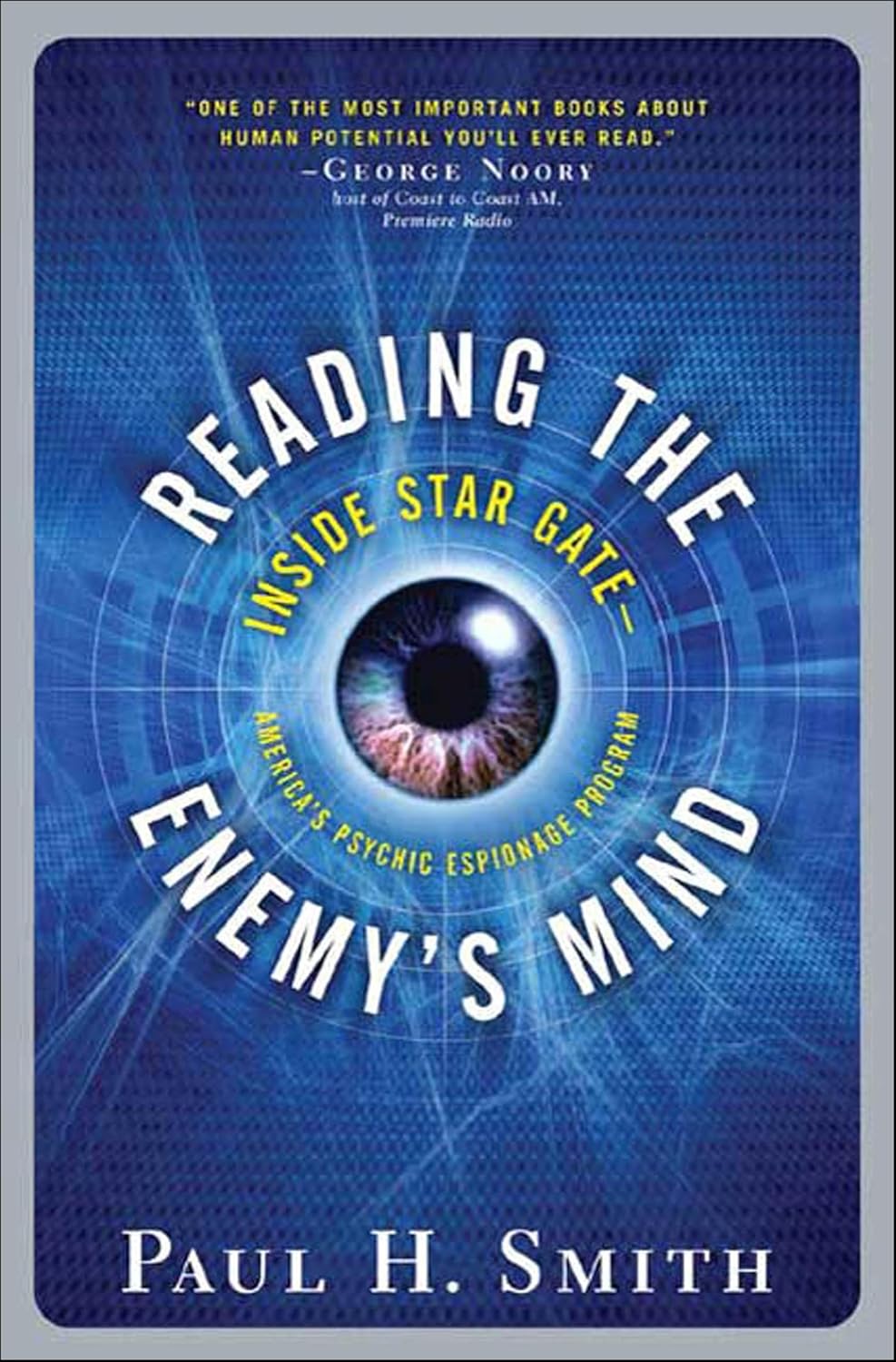 Paul H. Smith:
Reading the Enemy’s Mind: Inside Star Gate
The most comprehensive and historically accurate book on the military RV program and its development.
 Frederick H. Atwater:
Captain of My Ship, Master of My Soul: Living with Guidance
Fred “Skip” Atwater, the former head of the RV unit, reports on how everything originated. The book also has a website with many additional documents, audio, and video examples.
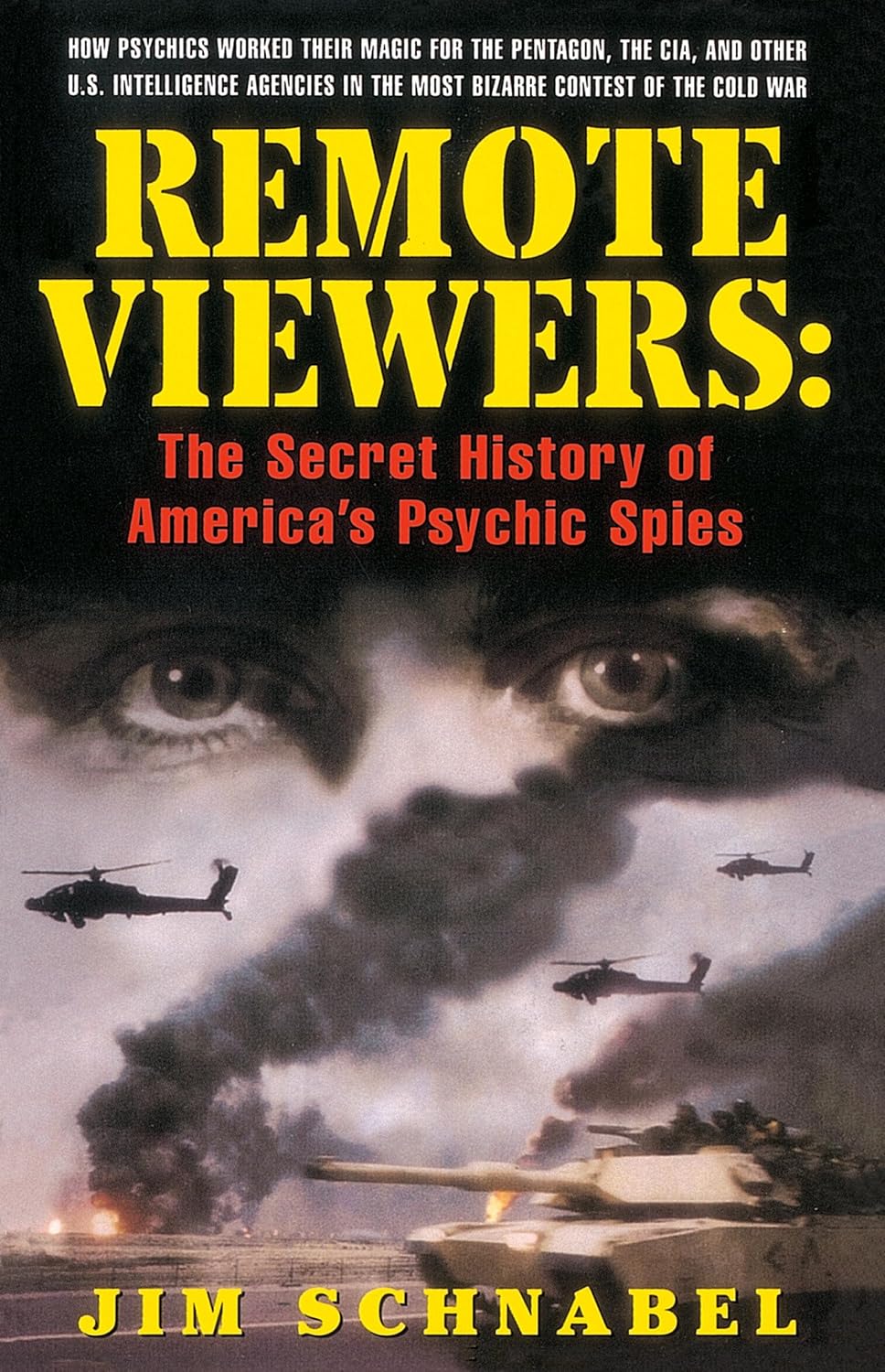 Jim Schnabel:
Remote Viewers: The Secret History of America’s Psychic Spies
Written by a thorough investigative journalist shortly after the declassification of the RV program.
 Gestalt-Magazin: Independent Remote Viewing Magazine
Independent RV magazine, published approximately annually.
Events and Network
Websites
- The Center Lane Project
Information on the original Controlled Remote Viewing (CRV) and a comprehensive collection of documents and data on the history of Remote Viewing. - RVIS – Remote Viewing Instructional Services, Inc.
Paul H. Smith’s website, with info on RV, a very informative blog, and a collection of practice targets


